
Selling a home is not just about putting a sign in the yard and hoping for the best. The most successful sellers understand that preparation directly influences price, buyer interest, and time on market. Small improvements and thoughtful decisions can create a powerful first impression and position a home as well-cared-for and move-in ready. Increasing value does not always mean major renovations. Strategic updates, smart maintenance, and presentation choices often deliver the strongest return. Understanding where to focus time and money helps sellers avoid over-improving while still appealing to today’s buyers. With the right approach, a home can stand out, attract stronger offers, and sell with confidence.
What Home Improvements Offer the Best Return Before Selling?
The home improvements that offer the best return before selling are those that enhance appearance, functionality, and buyer confidence without overextending the budget. Buyers respond most strongly to homes that feel updated, clean, and well-maintained, even when the upgrades are modest. Projects that improve visual appeal and reduce perceived future work tend to deliver the greatest value.
Fresh paint is one of the most effective improvements because it instantly brightens spaces and makes rooms feel clean and modern. Neutral colors allow buyers to picture their own furniture and style in the home. Flooring updates also rank high, especially when worn carpet is replaced or hardwood floors are refinished. These changes improve flow and eliminate distractions that can lower perceived value.
Kitchen and bathroom updates often provide solid returns, particularly when improvements focus on fixtures, lighting, hardware, and surfaces rather than full remodels. Replacing outdated faucets, cabinet pulls, and light fixtures can modernize these spaces without major expense. Buyers want kitchens and baths that feel functional and current, even if they are not brand new.
Energy efficiency improvements also appeal to buyers. Simple updates like sealing drafts, servicing HVAC systems, or installing programmable thermostats can lead to lower utility costs and responsible ownership. These details reassure buyers that the home has been cared for.
The key is choosing improvements that enhance the home’s overall condition and presentation. Updates should feel cohesive and purposeful, helping buyers see value without sensing unnecessary renovation costs built into the price.
How Does Curb Appeal Affect a Home's Market Value?
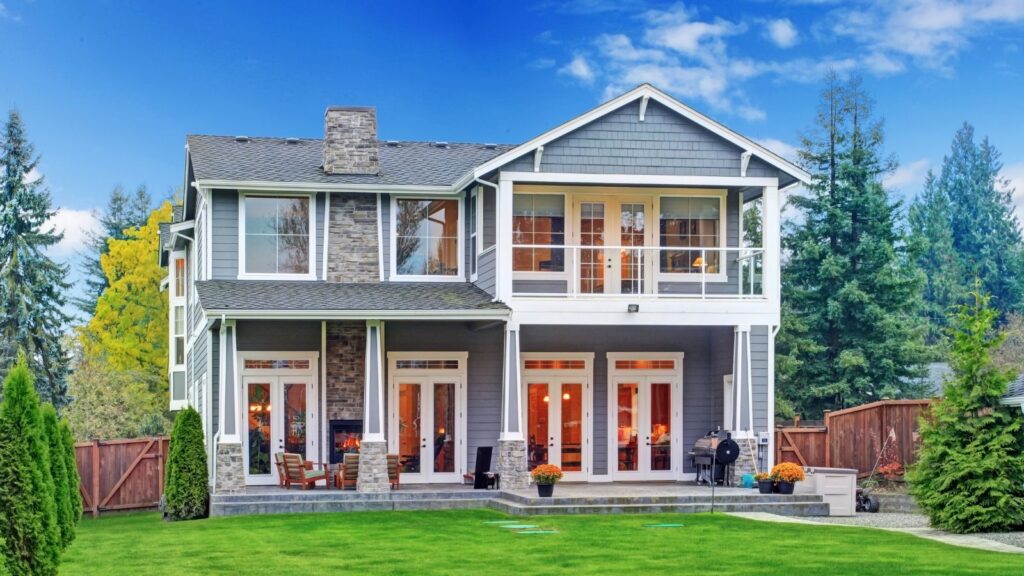
Curb appeal directly affects a home’s market value because it shapes the first impression buyers form before stepping inside. A home that looks inviting from the street sets positive expectations and encourages buyers to view the interior more favorably. When curb appeal is neglected, buyers may assume the inside is also poorly maintained.
Simple exterior improvements can have a powerful impact. Fresh landscaping, trimmed bushes, and a tidy lawn signal pride of ownership. Adding seasonal flowers or mulch creates contrast and visual interest without significant expense. These small touches help the home feel welcoming and cared for.
The condition of the front entry matters just as much. A freshly painted front door, updated house numbers, and clean lighting fixtures draw attention and elevate the exterior. Power washing siding, walkways, and driveways removes years of buildup and instantly refreshes the home’s appearance.
Roof condition, gutters, and visible repairs also influence value. Buyers notice missing shingles, sagging gutters, or peeling paint. Addressing these issues ahead of time reduces concerns and helps prevent buyers from mentally subtracting repair costs from their offers.
Curb appeal does more than attract attention. It builds confidence. Buyers who feel good approaching a home are more likely to stay longer during showings, notice positive features, and feel comfortable making strong offers. A polished exterior sets the stage for a successful sale.
Why Do Repairs and Maintenance Matter So Much to Buyers?
Repairs and maintenance matter to buyers because they influence trust and perceived risk. A home that appears well-maintained feels safer and more predictable, while visible neglect can raise concerns about hidden problems. Buyers often view unresolved repairs as warning signs rather than minor inconveniences.
Addressing obvious issues before listing helps remove obstacles that can derail negotiations. Leaky faucets, cracked tiles, sticking doors, and damaged trim may seem small, but they stand out during showings. These details suggest deferred maintenance, prompting buyers to wonder what else might be wrong.
Major systems also play a role in buyer confidence. Servicing HVAC systems, checking plumbing, and ensuring electrical components function properly helps reassure buyers. Providing records of recent maintenance or repairs can further reinforce the sense that the home has been responsibly cared for.
Preventive maintenance reduces the likelihood of inspection surprises. When inspection reports reveal fewer issues, negotiations tend to stay focused on price rather than repair credits. This can preserve value and keep deals on track.
Buyers want clarity and confidence. A home that feels move-in-ready allows them to focus on their lifestyle rather than future repair projects. Taking care of maintenance before listing shows respect for the buyer’s time and investment, often translating into stronger offers and smoother transactions.
How Can Kitchen Updates Increase Perceived Home Value?
Kitchen updates increase perceived home value because the kitchen is one of the most emotionally important spaces for buyers. Even modest improvements can dramatically change how a kitchen feels and how buyers judge the home as a whole.
Minor upgrades often deliver the best return. Repainting cabinets, replacing hardware, and updating light fixtures can make a kitchen feel fresh without the cost of a full renovation. New faucets and modern sinks add functionality and visual appeal. These changes help kitchens feel current and well-maintained.
Countertops and backsplashes also influence perception. When existing surfaces are worn or outdated, replacing them with neutral, durable materials can elevate the entire space. Buyers appreciate clean lines and easy maintenance, especially in high-use areas.
Appliance condition matters as well. Matching appliances or stainless finishes creates a cohesive look. Even if appliances are not brand new, clean and functional units improve buyer confidence.
Equally important is cleanliness and organization. A clutter-free kitchen with clear counters feels larger and more inviting. Buyers imagine cooking, gathering, and entertaining in the space, which strengthens emotional connection.
Kitchen updates do not need to be dramatic to be effective. The goal is to present a space that feels functional, attractive, and ready for daily use. When buyers see a kitchen that requires little effort after move-in, they are more willing to pay a premium.
What Role Does Staging Play in Maximizing Sale Price?
Staging plays a major role in maximizing sale price because it helps buyers visualize how the home functions and how it can support their lifestyle. A well-staged home highlights strengths, minimizes distractions, and creates an emotional connection.
Staging begins with decluttering and depersonalizing. Removing excess furniture, personal photos, and bold decor allows buyers to focus on the space itself. Rooms feel larger, brighter, and more versatile when they are thoughtfully arranged.
Furniture placement guides buyers through the home. Defined seating areas, clear pathways, and balanced layouts help buyers understand how each room can be used. This is especially important in open floor plans or smaller spaces where function may not be immediately obvious.
Lighting also plays a key role. Opening curtains, cleaning windows, and using layered lighting make spaces feel warm and inviting. Bright, well-lit rooms photograph better and leave a stronger impression during showings.
Staging does not always require professional furniture. Strategic use of existing pieces, neutral accessories, and simple decor can achieve similar results. The goal is to create a clean, welcoming environment that feels comfortable and aspirational.
Homes that are staged tend to photograph better, attract more interest, and sell faster. When buyers emotionally connect with a space, they are more likely to submit strong offers and compete with confidence.
How Does Pricing Strategy Impact Perceived Value?
Pricing strategy directly impacts perceived value because buyers use price as a signal of quality, condition, and desirability. A well-priced home attracts attention, encourages competition, and supports stronger final sale prices.
Overpricing often backfires. When a home is priced too high, buyers may skip it entirely or assume it has issues. Extended time on market can lead to price reductions, which may create the impression that something is wrong with the property.
Accurate pricing positions the home competitively within the market. Buyers comparing similar homes quickly notice value differences. A price that aligns with condition, location, and recent sales builds trust and motivates action.
Strategic pricing can also generate momentum. Homes that attract multiple buyers early often receive stronger offers. Competitive interest can lead to favorable terms, flexible timelines, and higher net proceeds.
Pricing should reflect preparation. Homes that are clean, updated, and well presented support stronger pricing. When improvements and maintenance are visible, buyers are more comfortable paying closer to or above the asking price.
Perceived value is not just about numbers. It is about how buyers feel when they see the home. A thoughtful pricing strategy paired with a strong presentation helps buyers recognize value quickly and respond decisively.
Are Energy Efficiency and Smart Features Worth the Investment?
Energy efficiency and smart features are often worth the investment because they appeal to buyers seeking comfort, convenience, and lower operating costs. These features signal modern living and responsible ownership.
Simple energy improvements can make a meaningful difference. Sealing drafts, adding insulation, and servicing heating and cooling systems suggest efficiency and reliability. Buyers appreciate knowing that major systems have been maintained and optimized.
Smart home features also attract attention. Programmable thermostats, smart lighting, and security systems offer convenience without overwhelming buyers. These upgrades feel modern and practical, especially when they are easy to use.
Energy-efficient windows, LED lighting, and updated appliances can further enhance appeal. Buyers increasingly value sustainability and predictable utility costs, even if these features are not their top priority.
Documentation helps reinforce value. Sharing information about recent upgrades or energy savings provides tangible proof of benefits. This transparency builds confidence and reduces hesitation.
While not every home requires advanced technology, thoughtful energy updates can help a property stand out. When buyers see features that improve daily living and reduce future expenses, they often view the home as a smarter investment.
How Can a Seller Prioritize Improvements Without Overspending?
Prioritizing improvements without overspending requires focusing on impact rather than scope. The goal is to enhance appeal and condition while avoiding projects that exceed market expectations.
Start with condition and cleanliness. Repairs, maintenance, and deep cleaning provide immediate returns. These efforts eliminate distractions and prevent buyers from focusing on flaws.
Next, address cosmetic updates that offer broad appeal. Paint, lighting, and minor fixtures refresh the home without major cost. These updates improve how spaces feel and photograph.
Consider the local market. Improvements should align with buyer expectations in the area. Over-renovating can reduce returns if upgrades exceed neighborhood norms.
Avoid highly personalized upgrades. Bold design choices or luxury features may not appeal to all buyers. Neutral updates tend to attract wider interest and support value.
Set a clear budget and timeline. Prioritizing projects that can be completed efficiently helps avoid stress and delays. Consulting market data can also guide decisions about where to invest.
Thoughtful planning enables sellers to strategically enhance value. By focusing on presentation, function, and buyer perception, it is possible to maximize return without unnecessary expense.
Are You Ready to Maximize Your Home's Value Before Selling?
Increasing home value before selling is about making informed, strategic choices that align with buyer expectations and market conditions. Preparation, presentation, and pricing all work together to influence how buyers perceive a home and what they are willing to pay. By focusing on high-impact improvements, maintaining the property, and presenting it thoughtfully, sellers can position their homes for strong interest and competitive offers. When you are ready to sell and want guidance on which updates make the most sense for your home and market, reach out to me. A thoughtful plan can make a meaningful difference in your final results.