Elgin, Illinois: Historic Character with Suburban Comfort
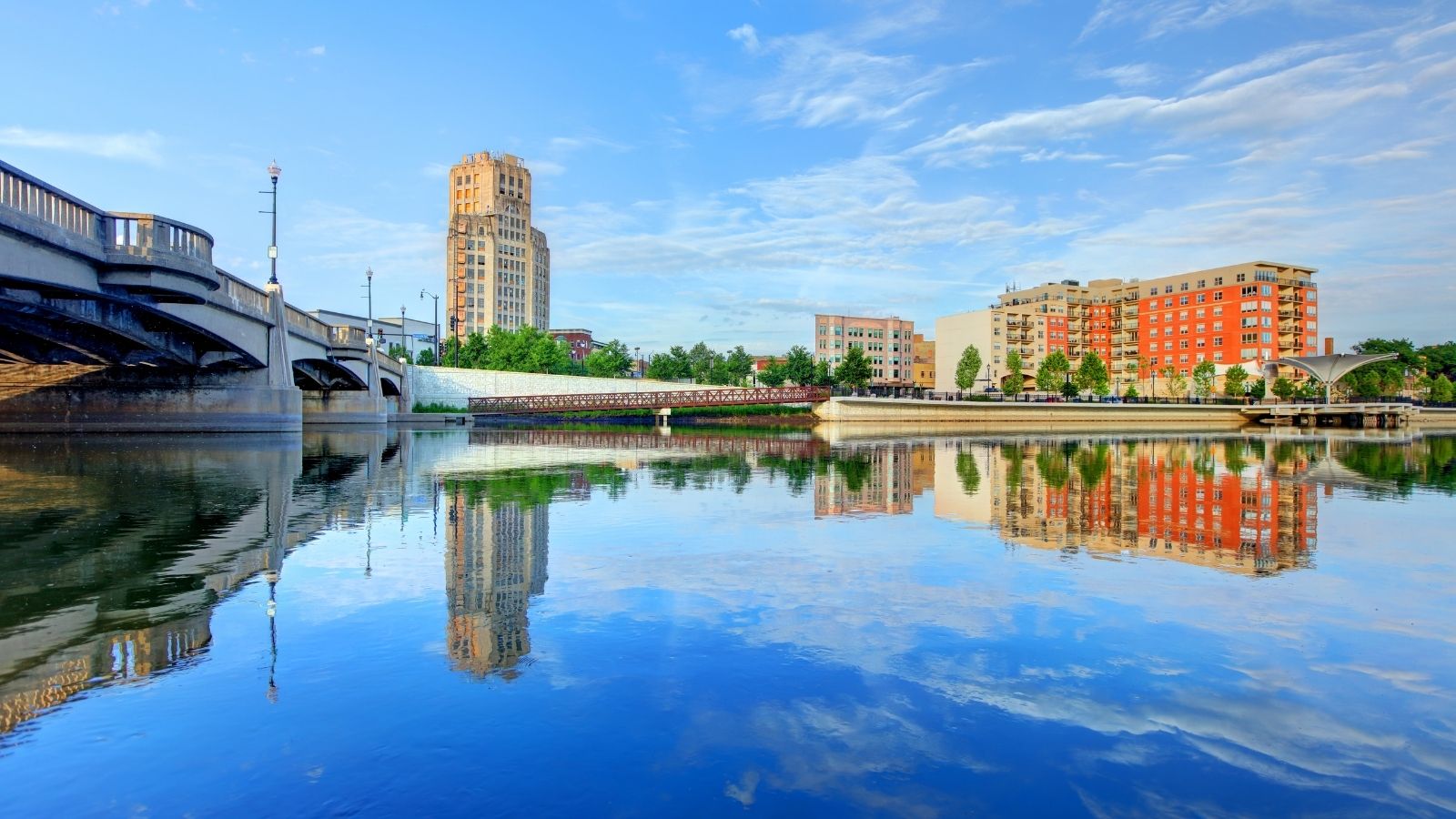
Elgin, Illinois, offers a distinctive blend of historic charm, cultural depth, and everyday convenience that continues to attract homebuyers looking for space, connection, and access to the greater Chicago region. Located along the Fox River about 35 miles northwest of downtown Chicago, Elgin combines the feel of an established city with the comforts of suburban living. Tree-lined streets, preserved architecture, and a vibrant downtown give the city a strong sense of identity, while modern amenities, employment access, and transportation options support a practical, day-to-day lifestyle. Residents appreciate the balance Elgin offers, with walkable neighborhoods, riverfront scenery, and a growing arts and dining scene, all set against a backdrop of room to spread out and settle in. Whether drawn by historic homes, newer developments, or the city’s cultural offerings, Elgin continues to stand out as a place where history and progress comfortably coexist.
What Is the History of Elgin, Illinois?
Elgin’s history begins in the early 1830s when settlers were drawn to the area by the Fox River and its potential for trade, milling, and transportation. Officially incorporated as a city in 1854, Elgin quickly grew from a small river settlement into a thriving industrial center. The arrival of the railroad accelerated development, connecting Elgin to Chicago and expanding its role as a manufacturing and commercial hub. One of the most influential chapters in the city’s past came with the establishment of the Elgin National Watch Company in the mid-19th century. At its peak, the company employed thousands, earning Elgin the nickname “The Watch City” and shaping the city’s economy, architecture, and identity for generations.
As Elgin expanded through the late 19th and early 20th centuries, neighborhoods developed around factories, churches, and schools, many of which still define the city’s layout today. Grand Victorian homes, historic commercial buildings, and civic institutions reflected both prosperity and pride in craftsmanship. While manufacturing played a major role in Elgin’s early success, the city gradually diversified its economy as industries evolved and production declined in the mid-20th century. This period brought change, but it also sparked reinvestment, preservation efforts, and new approaches to growth.
In recent decades, Elgin has focused on revitalization and thoughtful redevelopment, particularly in its downtown and riverfront areas. Historic buildings have been restored, public spaces enhanced, and cultural institutions expanded. The city’s commitment to honoring its past while planning for the future has helped Elgin remain resilient and relevant. Today, its history is visible not only in museums and landmarks, but in everyday life, from established neighborhoods to community traditions that continue to bring residents together.
Homes for Sale
What Is Life Like in Elgin, Illinois?
Life in Elgin offers a mix of energy and ease, shaped by diverse neighborhoods, cultural opportunities, and access to nature. The city supports an active lifestyle, with residents enjoying parks, river trails, and outdoor recreation throughout the year. The Fox River Trail is a central feature, offering miles of paved pathways for walking, biking, and jogging while connecting parks and scenic overlooks. Elgin’s park system includes dozens of neighborhood parks and larger community spaces that host sports leagues, festivals, and family gatherings.
Downtown Elgin plays a key role in daily life, offering a growing selection of restaurants, cafés, shops, and entertainment venues. The city has invested heavily in arts and culture, with attractions such as the Hemmens Cultural Center, local galleries, and live music events contributing to a lively atmosphere. Seasonal events, farmers’ markets, and community festivals draw residents together and create a strong sense of local pride. The city’s diverse population adds depth to its dining scene, with a wide range of international cuisine reflecting the community itself.
Elgin also appeals to those who value convenience. Shopping centers, healthcare facilities, and everyday services are easily accessible, and commuting options make it practical for professionals working throughout the Chicago metropolitan area. Families appreciate the availability of schools, libraries, and youth programs, while long-term residents value the city’s stability and character. Life in Elgin feels established yet evolving, offering both familiarity and opportunity in equal measure.
What Are the Best Neighborhoods in Elgin, Illinois?
Elgin is composed of clearly defined neighborhoods and districts that reflect the city’s long-standing development patterns and architectural history. Each neighborhood offers its own character, housing styles, and sense of place.
Downtown Elgin: Downtown Elgin serves as the cultural and historic core of the city. The neighborhood features a mix of historic apartment buildings, renovated lofts, and nearby single-family homes, many within walking distance of restaurants, entertainment venues, riverfront parks, and the Metra station. Residents are drawn to the area for its walkability, access to cultural institutions, and active calendar of community events. Ongoing redevelopment has strengthened downtown’s appeal while preserving its architectural character and historic streetscape.
Near West Side Historic District: Located just west of downtown, the Near West Side Historic District is one of Elgin’s most architecturally significant neighborhoods. The area is known for its Victorian, Queen Anne, and early 20th-century homes set along tree-lined streets with mature landscaping. Many homes feature original details and larger lots, creating a strong sense of craftsmanship and history. Residents value the neighborhood’s proximity to downtown amenities combined with a quiet, residential atmosphere.
Lords Park Neighborhood: Centered around the expansive Lords Park, this neighborhood offers a blend of recreation and established residential living. Homes in the area range from early- to mid-20th-century designs, many with traditional layouts and well-kept yards. Lords Park itself provides walking paths, sports facilities, and the Lords Park Zoo, making the neighborhood especially appealing to those who enjoy access to green space and outdoor activities close to home.
College Green: College Green is an established east-side neighborhood located near Elgin Community College. The area features a mix of mid-century homes and newer construction, with wide streets and a suburban layout. Residents appreciate the neighborhood’s peaceful setting, proximity to educational resources, and convenient access to shopping and major roadways. College Green is often chosen by those seeking a quiet residential environment in a well-connected part of the city.
Cobbler’s Crossing: Cobbler’s Crossing is a planned west-side neighborhood known for newer homes and a family-oriented layout. The community includes parks, walking paths, and residential streets designed for everyday convenience. Homes typically feature modern floor plans and attached garages. The neighborhood’s location provides easy access to shopping, dining, and major transportation routes, making it appealing to commuters and those seeking newer housing within Elgin.
Together, these neighborhoods highlight the range of living options available in Elgin, from historic districts near the river to modern residential communities. Each contributes to the city’s overall livability and offers homebuyers distinct choices within a well-established city.
What Schools Are Available in Elgin, Illinois?
Elgin is served by multiple school districts, reflecting the city’s size and geographic reach. The largest is School District U-46, one of the most extensive districts in Illinois. U-46 serves much of Elgin and the surrounding communities and offers a wide range of educational programs. Elementary, middle, and high schools within the district emphasize academic growth, career readiness, and extracurricular involvement. High schools such as Elgin High School and Larkin High School provide Advanced Placement courses, career and technical education pathways, fine arts programs, and athletic opportunities.
In addition to U-46, some parts of Elgin are served by Community Unit School District 301 and Community Unit School District 300, depending on location. These districts are known for strong community engagement, modern facilities, and comprehensive academic offerings. Families often consider specific neighborhoods based on district boundaries, making Elgin’s variety an advantage for those prioritizing educational fit.
Private and parochial schools are also available in and around Elgin, offering alternative educational environments with smaller class sizes and specialized curricula. These schools serve a range of grade levels and educational philosophies, providing families with additional choices.
Elgin Community College serves as a prominent center for higher education in Elgin, providing associate degree programs, workforce development opportunities, and transfer pathways to four-year universities. The college plays an important role in the community, supporting lifelong learning and local workforce development. With several universities located within commuting distance, Elgin residents have access to a broad spectrum of educational opportunities at every stage.
What Is the Weather Like in Elgin, Illinois?
Elgin experiences a true four-season climate typical of northern Illinois. The area averages about 189 sunny days per year, with approximately 36 inches of rainfall and 38 inches of snowfall. These seasonal changes shape daily life and offer variety throughout the year.
Summers in Elgin are warm and occasionally humid, with average high temperatures in the low to mid-80s. This season is ideal for outdoor activities, festivals, and time spent along the Fox River. Parks and trails are well used during summer months, and evenings often bring cooler temperatures that make outdoor dining and gatherings comfortable.
Fall is a favorite season for many residents, with daytime temperatures generally ranging from the 50s to 70s. Autumn brings colorful foliage, crisp air, and a full calendar of community events. It is a time when neighborhoods feel especially active, and outdoor recreation remains enjoyable without summer heat.
Winters are cold, with average highs in the low 30s and regular snowfall. Snow-covered streets and parks create a classic Midwest winter atmosphere, and city services are well-equipped to manage seasonal conditions. Spring arrives gradually, with temperatures climbing from the 40s into the 60s and 70s. Rainfall helps renew green spaces, and residents welcome the return of outdoor activity as the city transitions into warmer months. Overall, Elgin’s climate supports a seasonal rhythm that many residents appreciate for its variety and predictability.
How Easy Is It to Get Around Elgin, Illinois?
Transportation is one of Elgin’s strongest assets, especially for those commuting throughout the Chicago metropolitan area. The city is served by Interstate 90, which provides direct access to Chicago, O’Hare International Airport, and employment centers across the region. This connectivity makes Elgin a practical choice for professionals who want suburban living without giving up access to major job markets.
Elgin is also a terminus for Metra’s Milwaukee District West Line, offering commuter rail service to downtown Chicago. The Metra station in downtown Elgin provides a reliable alternative to driving, particularly for those who work in the city. Bus service through Pace connects Elgin to neighboring communities and supports local travel within the city.
For air travel, O’Hare International Airport is typically about a 35- to 45-minute drive, depending on traffic. This proximity makes both domestic and international travel convenient. Locally, Elgin’s street network supports easy navigation, and many neighborhoods are designed with sidewalks, bike routes, and access to trails. Whether commuting daily or staying close to home, Elgin offers transportation options that align with a wide range of needs.
Are You Ready to Call Elgin Home?
Elgin, Illinois, offers a compelling combination of history, livability, and connection. Its established neighborhoods, cultural offerings, and access to transportation create an environment that supports both everyday comfort and long-term stability. The city continues to evolve while maintaining the character that has defined it for generations. From riverfront trails and historic homes to modern developments and educational opportunities, Elgin offers options that suit a wide range of lifestyles. If Elgin feels like the right fit for your next move, reach out to me to explore available home and learn more about this vibrant community.